The Weight of Honour
In the highlands of Tana Toraja in South Sulawesi, traditional funerary customs dictate the life of the Toraja people. The focus of this series was to observe and record the ceremonies as they exist, without judgement or intervention.
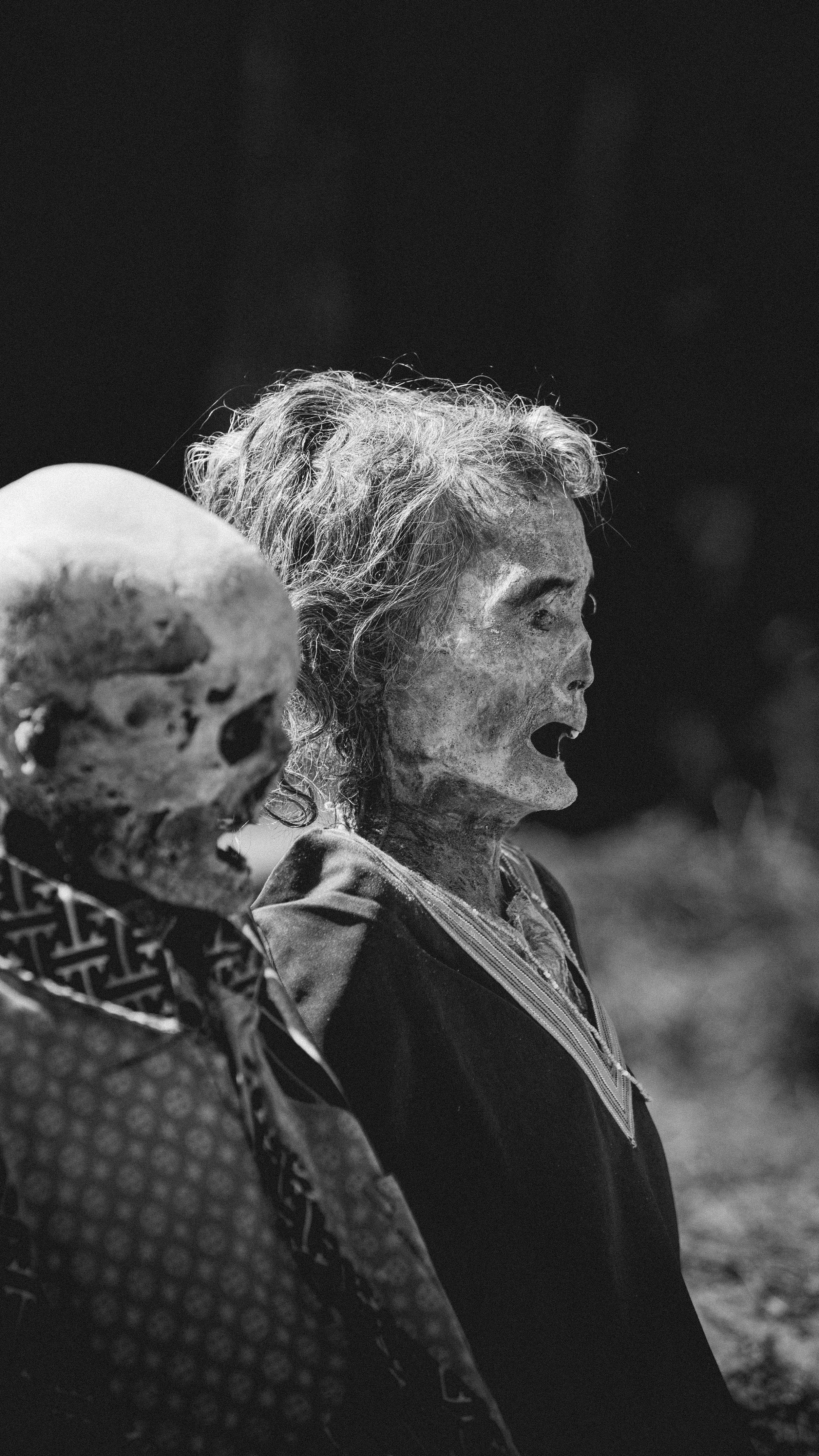
I witnessed a sacrifice ceremony held for a farmer who had died five years earlier. According to Toraja belief, a person is not considered dead until the funeral rites are complete. Until then, the deceased remains inside the family home, treated as “sick,” while relatives work to acquire the number of water buffalo required. Social status determines this number; in this case, 12 buffalo were gathered.
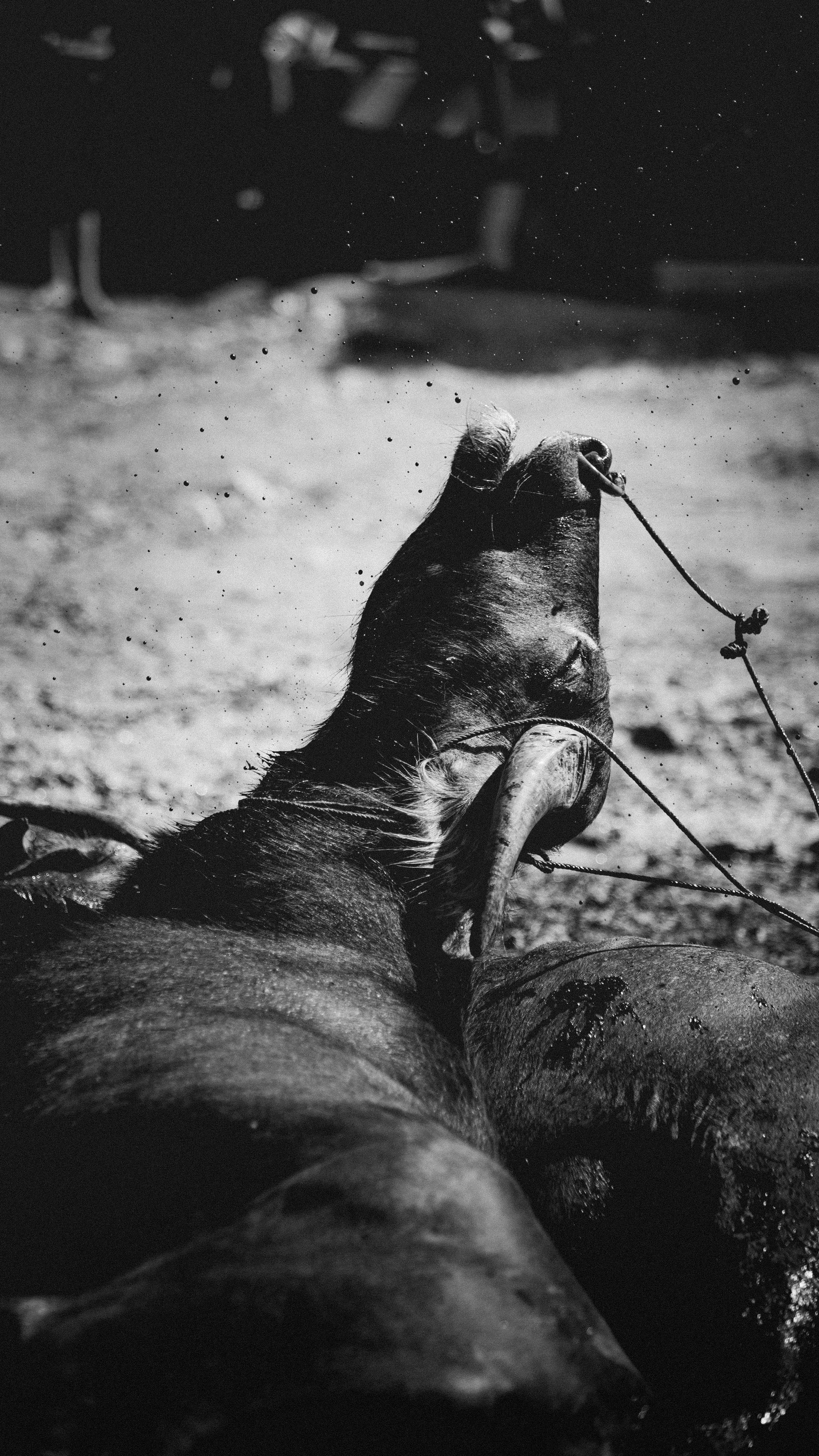
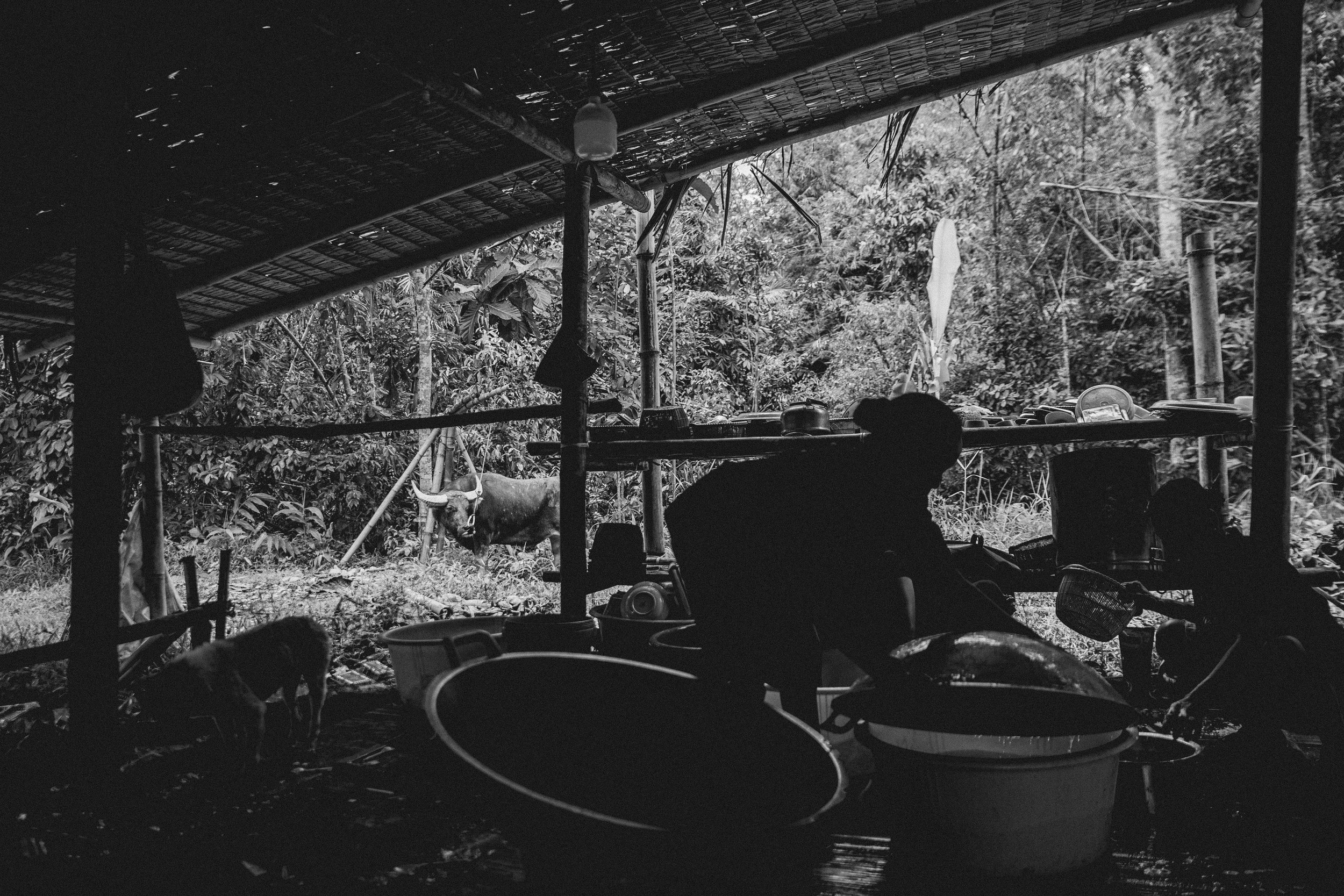
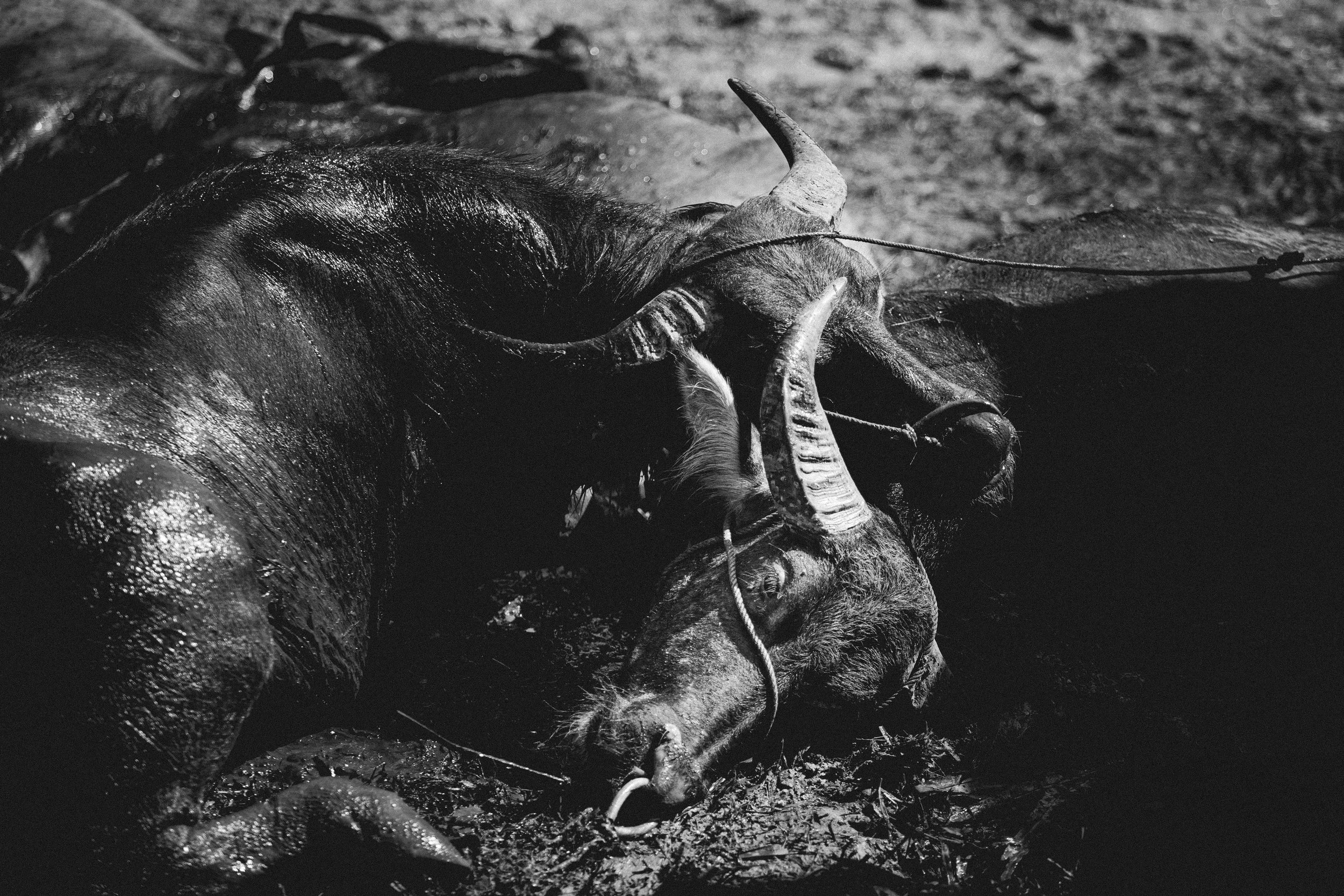
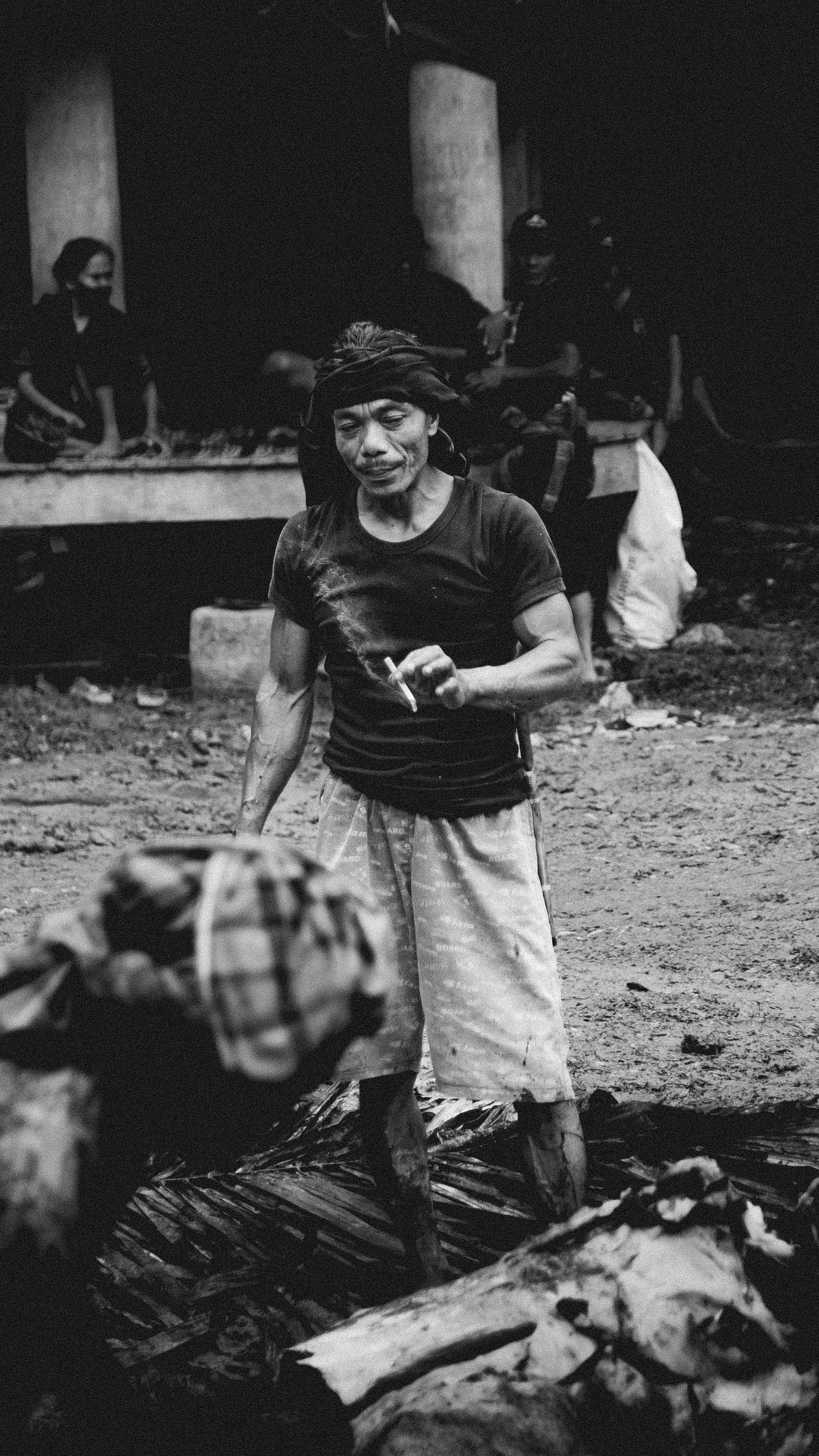
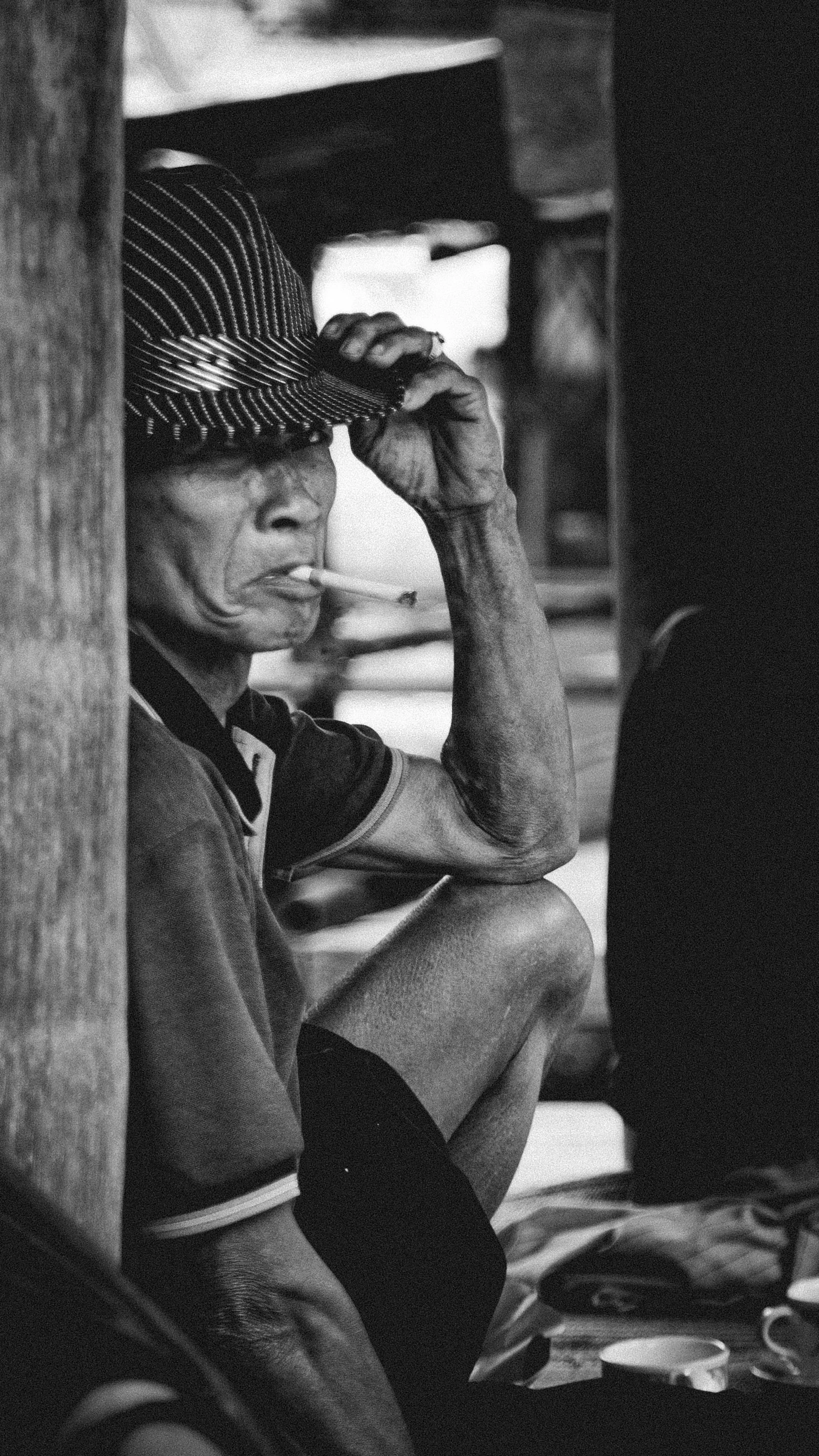
Restrained by ropes, the buffalo were brought forward one by one to be killed. The role of butcher is considered an honour, selected by village elders. The heat of the sun, mud mixed with blood, smoke from cigarettes, and crowd noise marked the environment. The animals fell and collided with the hit of the machete at their throat.
There was no separation between participants and the process; the community stood close with bare feet, watching as each sacrifice was carried out. The purpose of the ritual is practical and spiritual: these offerings are believed to enable the deceased to transition into the afterlife.
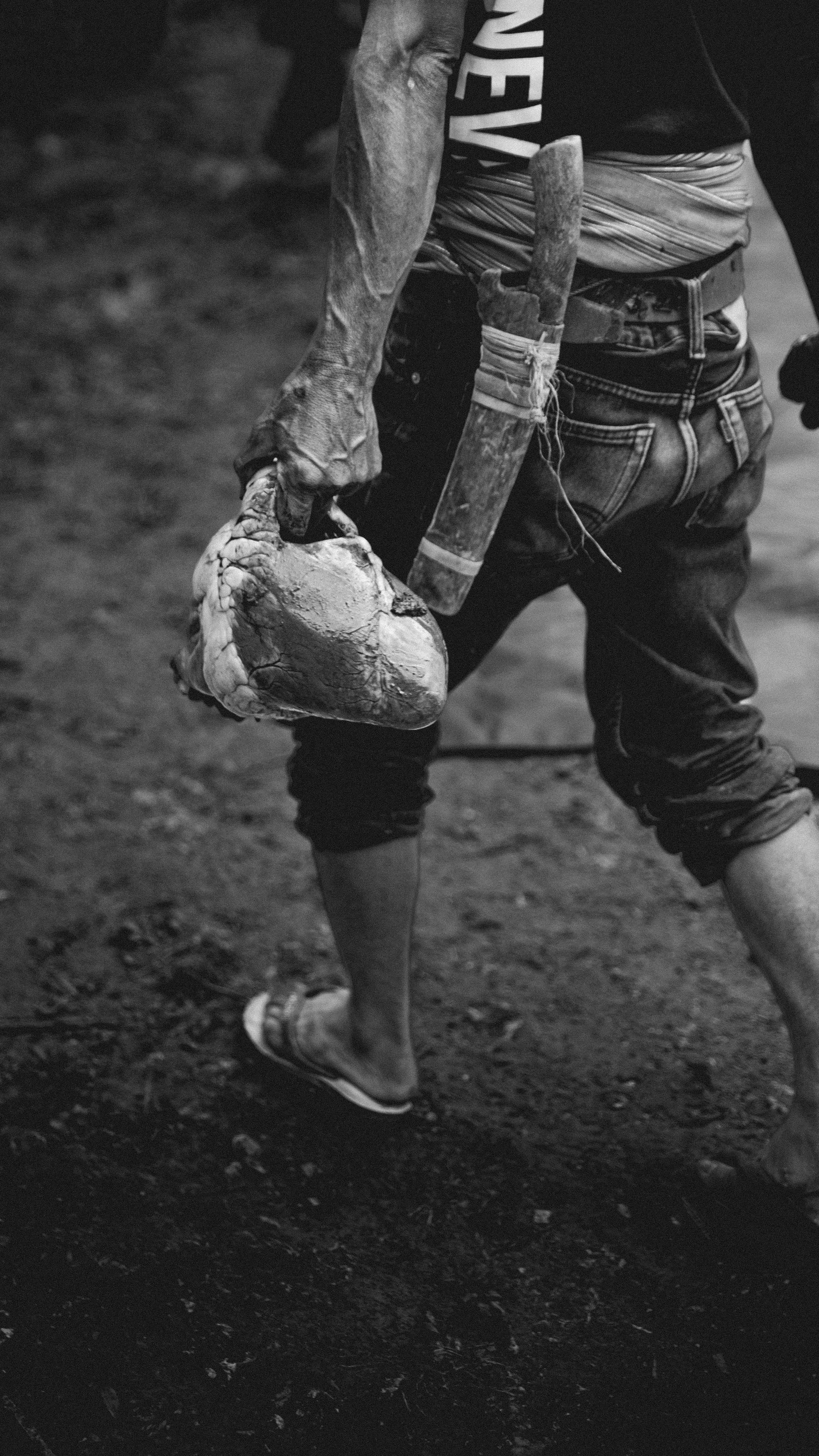
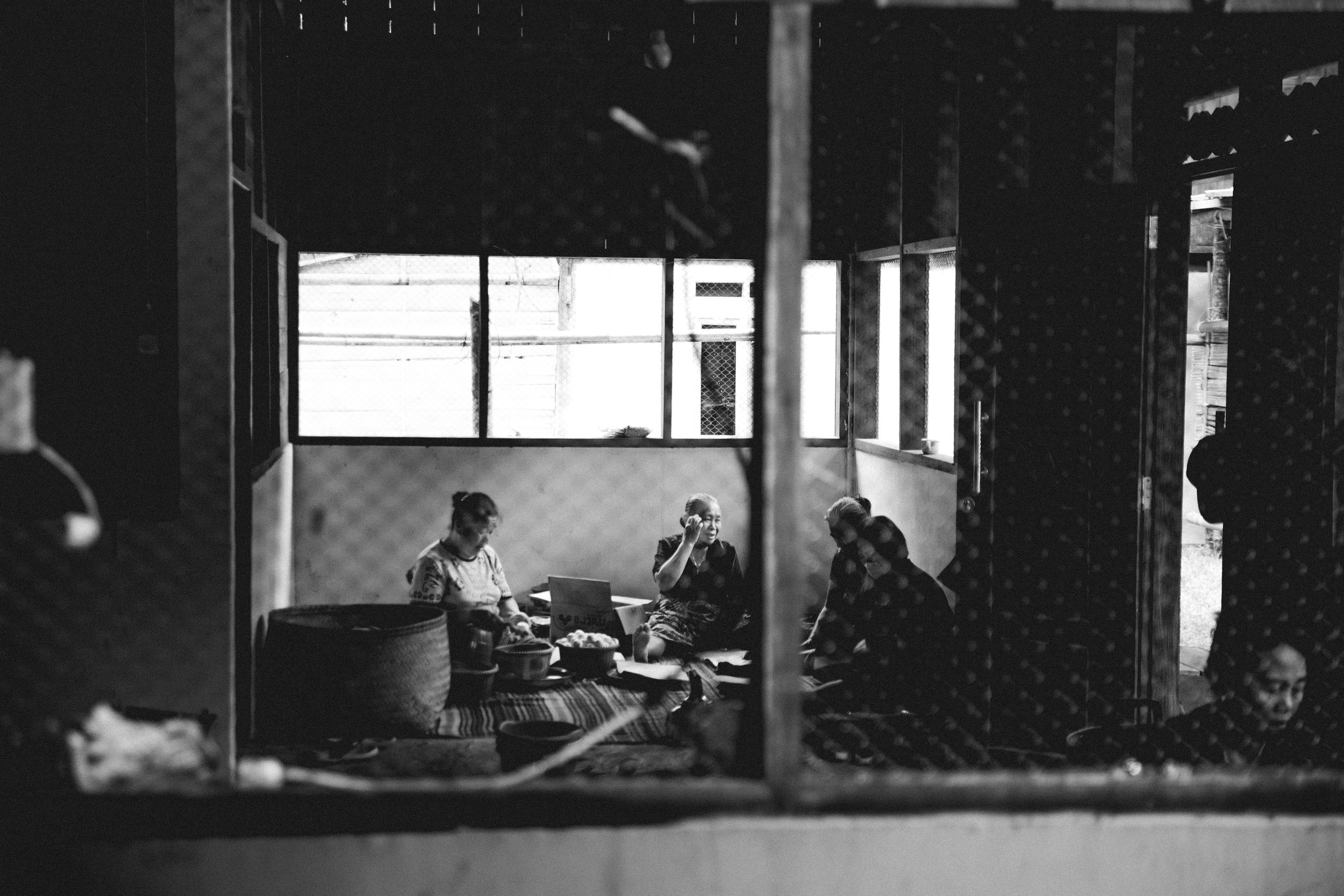
After the ceremony, every part of the buffalo is used. Meat is distributed among families, skins become clothing, horns and bones are made into tools, decor and weapons. Nothing is wasted. The deceased’s standing and, therefore, the number of buffalo sacrificed, directly determine how much is given back to the community.
This series documents the ceremony, presenting its cultural, emotional and physical realities without interpretation. My intention is not to judge or sensationalise but to record a practice that holds deep meaning within this community. The images reflect the intersection of belief, tradition and mortality, and the human and animal lives involved in maintaining an inherited system of honouring the dead, while creating more.