
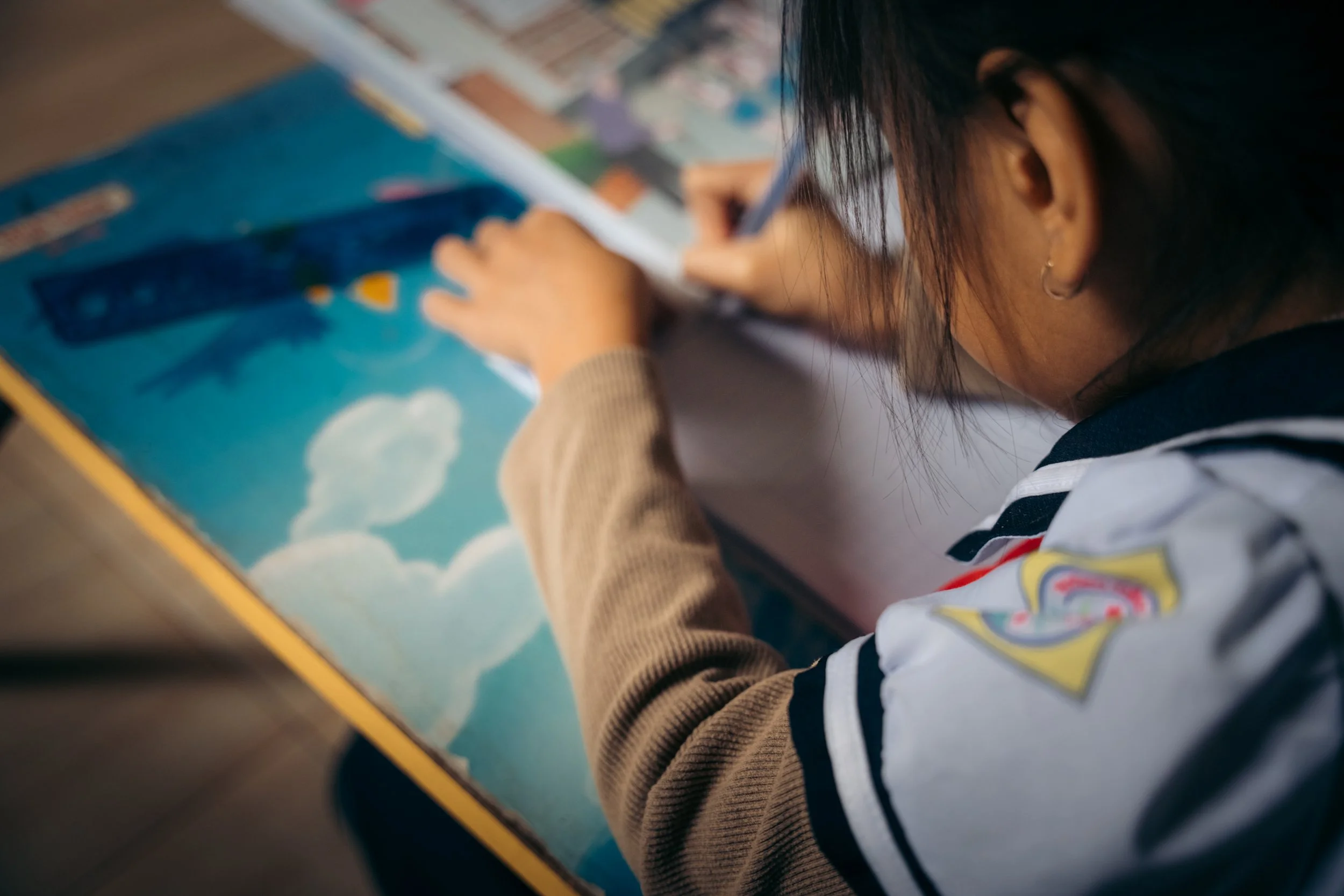
Strengthening NGO-communication with purpose-driven storytelling for Hearts for Huế
Hearts for Huế is a local, award-winning NGO based in Hue city that works directly with resettled and low-income communities across Thua Thien-Hue Province. Founded to address long-term needs at community level, their programmes focus on education (scholarships and school improvements), water and sanitation (WASH), livelihood support and microfinance for women, and practical disability-support projects that create income and dignity for people with disabilities. Their work is delivered in partnership with local authorities, schools and volunteer groups, and emphasises sustainable, community-led solutions.
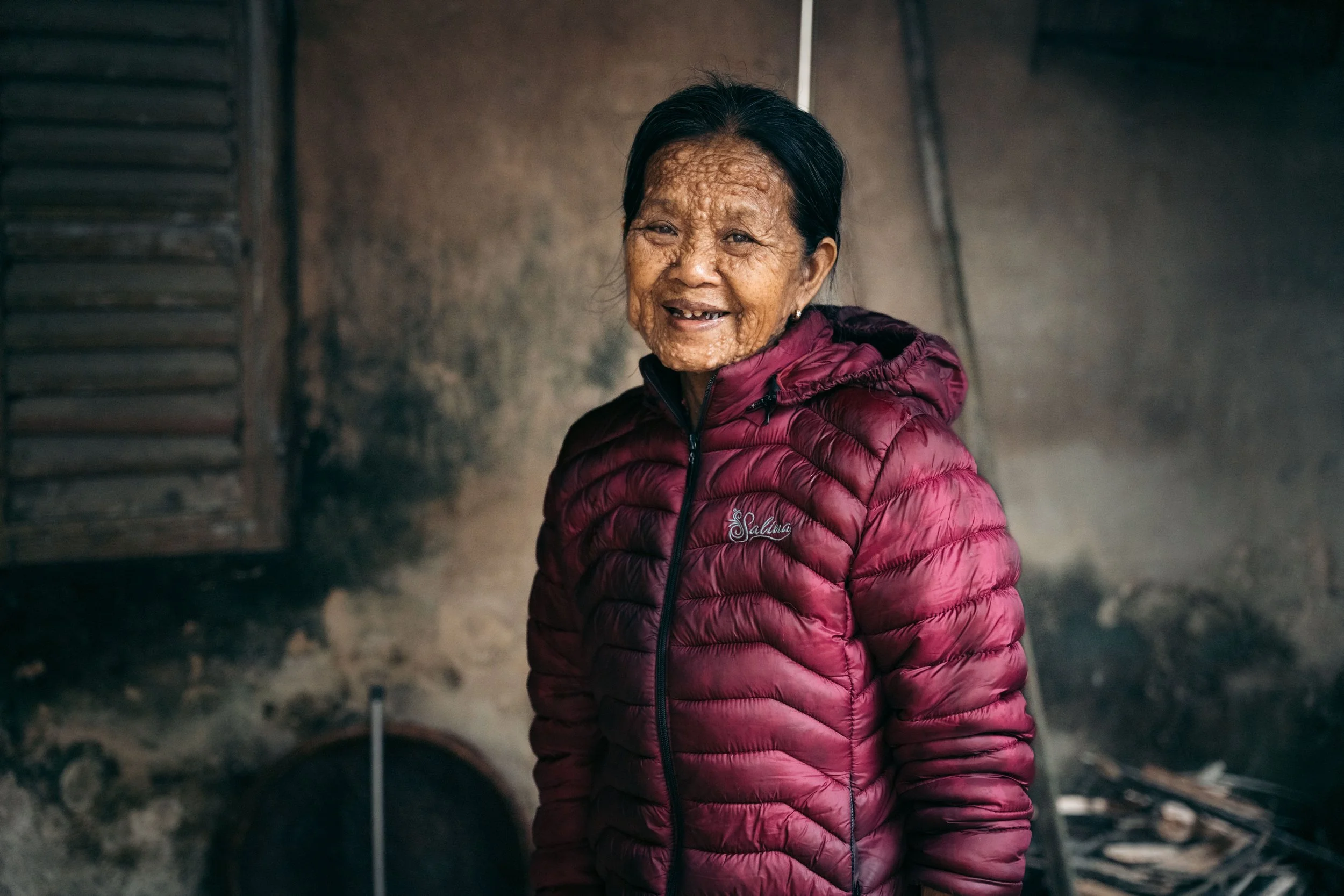
Working with NGOs — the Approach.
Working with NGOs is different from commercial shoots. The relationship starts with listening: understanding an organisation’s long-term goals, the sensitivities of the people it supports, and how the content will be used. Practical steps I follow on location include: briefing with staff and community leaders; co-creating story angles with beneficiaries (where possible); gaining informed consent; working unobtrusively; and delivering assets that the NGO can use across fundraising, reporting and partner communications. This collaborative, rights-aware approach keeps the community at the centre of the work and produces material that is both useful and respectful.
The value and role of visual storytelling
for organisations.
Visual storytelling translates complex programmes into simple, human terms. For NGOs, photos and short films do several things at once: they document progress for accountability, explain programmes to potential donors or partners, illustrate need for fundraising appeals, and help build trust with remote stakeholders who cannot visit the field. When images and short films are placed thoughtfully within a fundraising or communications journey (awareness → engagement → ask → stewardship), they materially improve audience understanding and engagement — which in turn supports funding and partnerships. Research and fundraising practice consistently show that narrative, image-led content increases donor engagement and can improve fundraising performance (higher open- and click-rates, stronger conversion on donation pages and deeper donor retention).
How visual storytelling initiatives can create impact.
Faster engagement: short video and strong stills grab attention on social feeds and reduce friction for first-time supporters.
Stronger emotional connection: stories create empathy and make impact tangible, which improves response rates to appeals.
Better reporting: visual evidence strengthens grant reports and corporate partner proposals.
Wider reach: shareable assets help organisations reach new audiences and inspire in-kind or pro-bono support.
Long-term value: well-made assets can be reused across campaigns, reports and events, multiplying the initial investment. Case studies and fundraising research point to measurable uplifts for charities that integrate storytelling into donor journeys, especially where stories are combined with clear asks and stewardship.
Challenges and considerations: working ethically with vulnerable communities
The positive power of images comes with responsibility. When working with vulnerable people, we must always prioritise dignity, safety and informed consent. Key considerations include:
Informed consent is essential and ongoing — explain how images will be used, who will see them, and allow people to withdraw consent at any time.
Prioritise protection: avoid images that could stigmatise, endanger, or expose private details about individuals or households.
No staging or manipulation that misrepresents someone’s situation; aim for truthful, contextual representation.
Data security and release forms: keep records of consent and be clear on licensing and reuse.
Cultural sensitivity: work through local staff and translators so consent and meaning are understood in context.
International agencies and humanitarian organisations provide clear guidance on ethical content-gathering and consent — these frameworks are practical and should be treated as minimum standards for any visual project in development contexts.
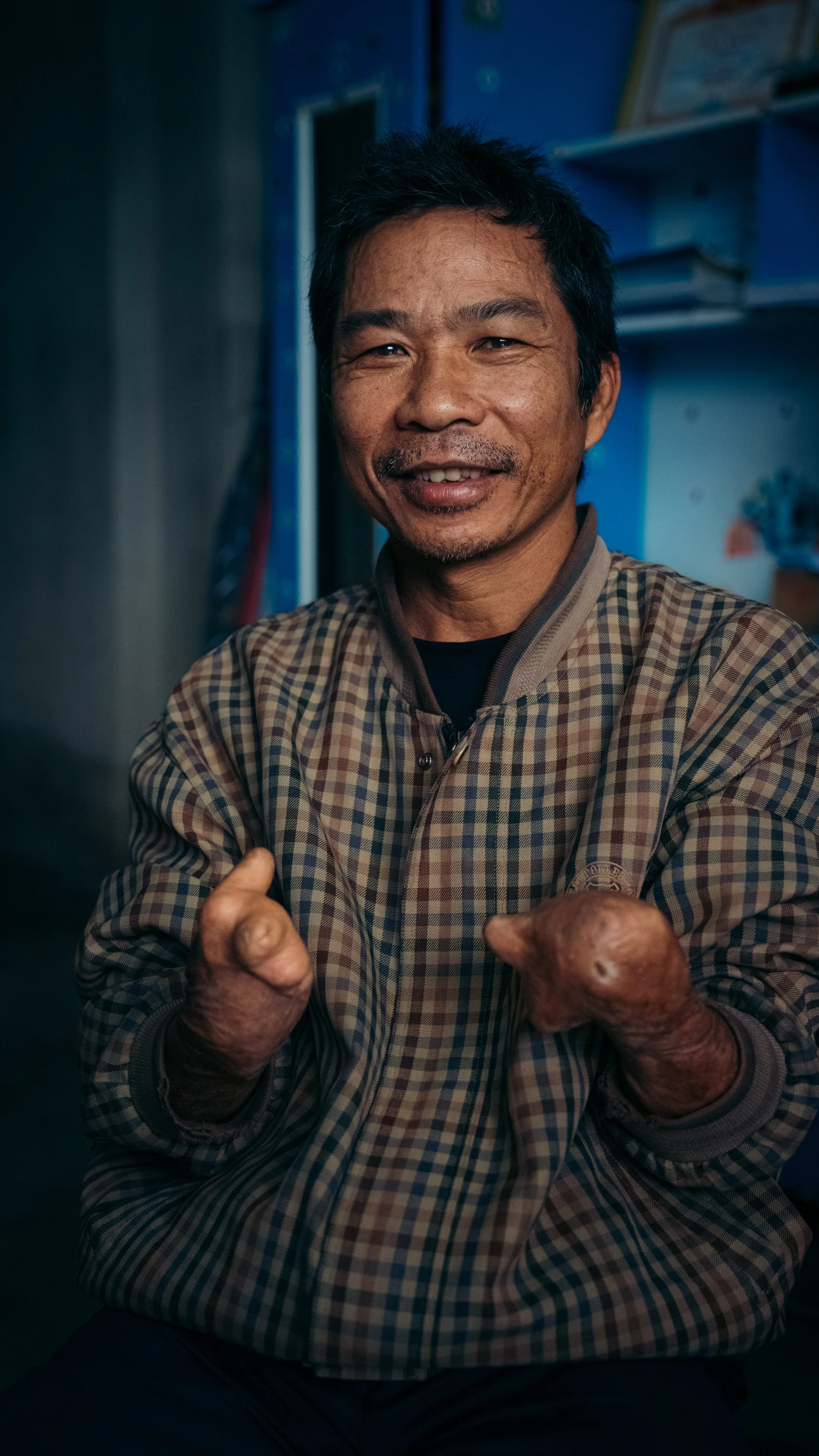
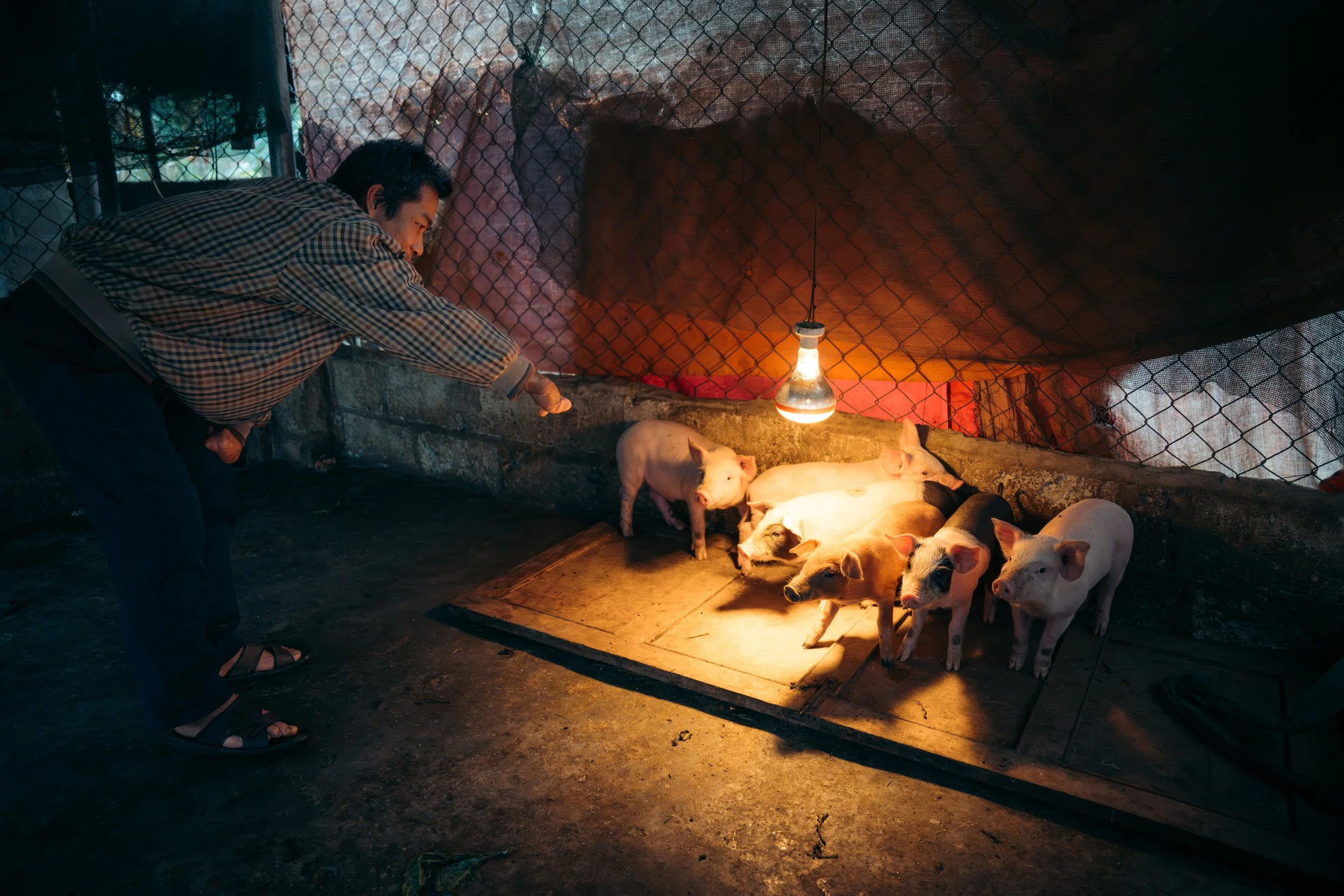
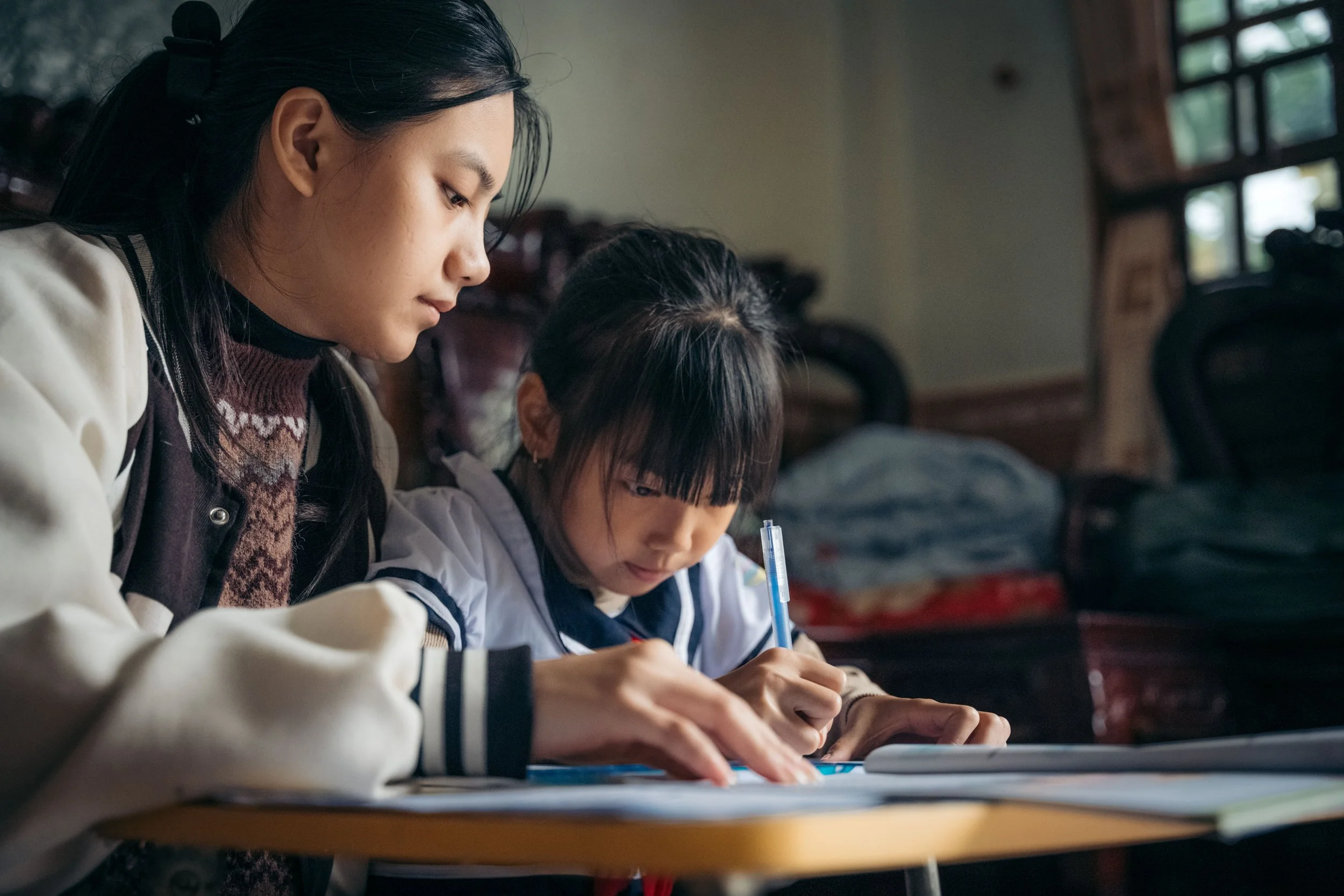
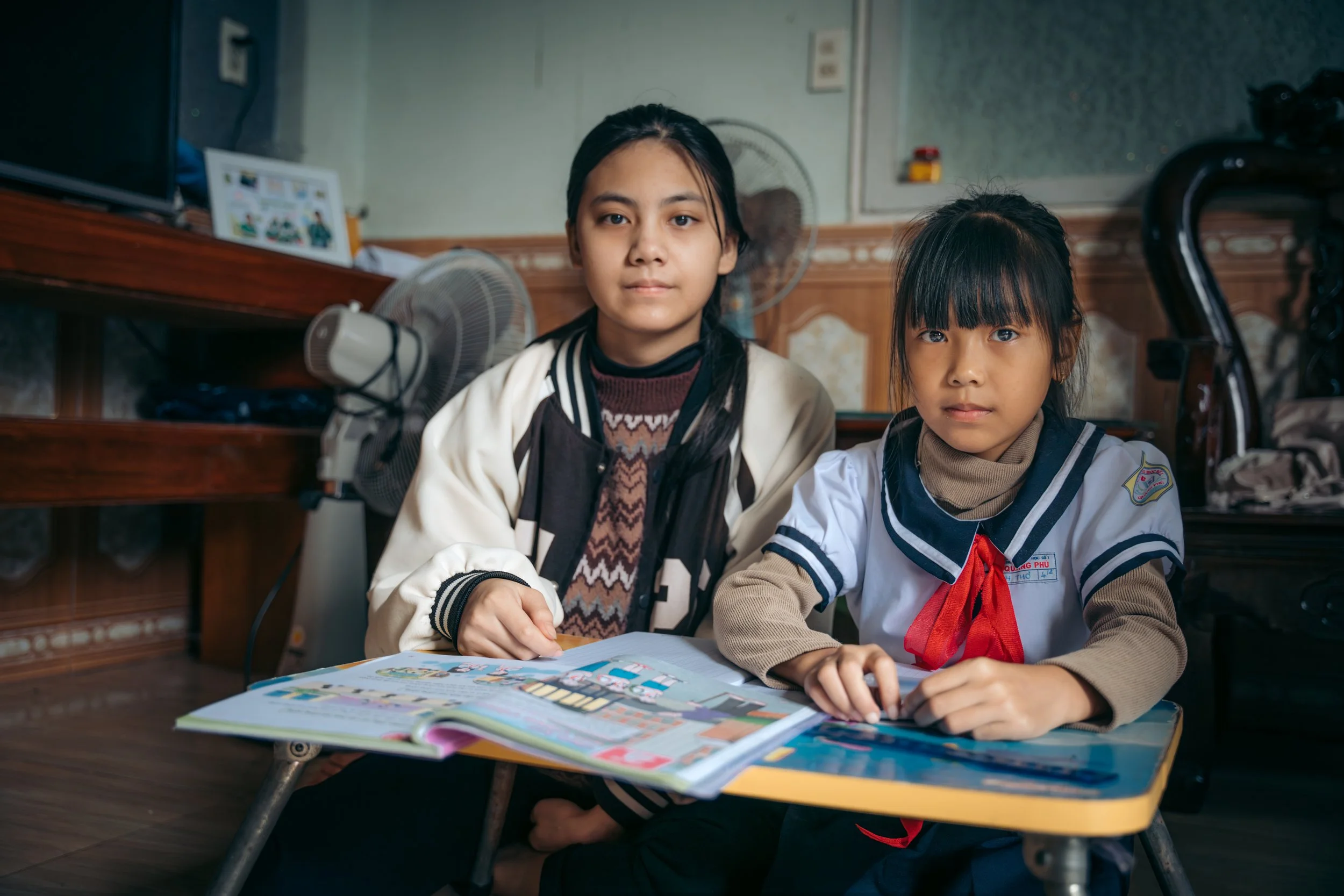
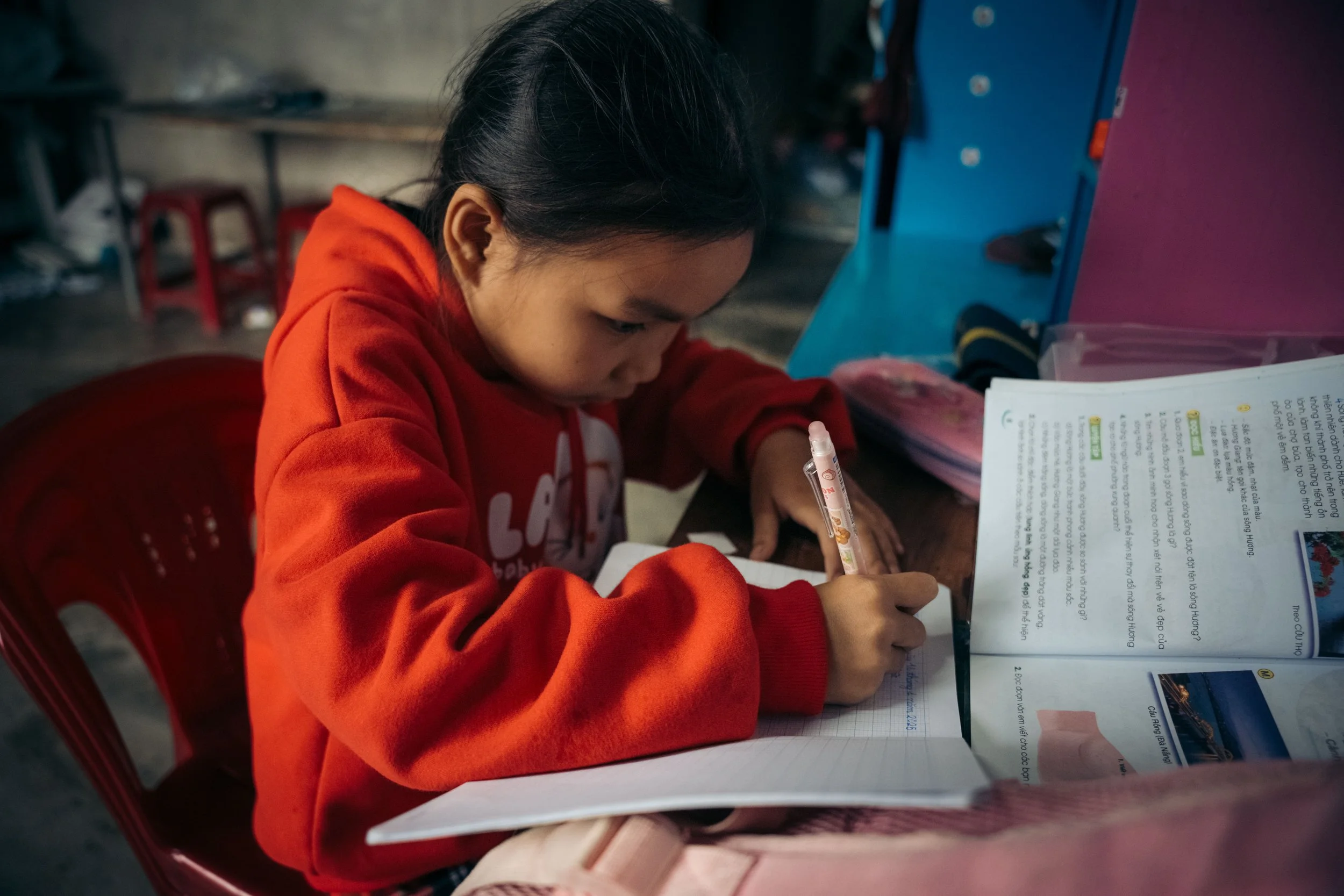
Why supporting local NGOs matters.
Local organisations like Hearts for Huế are embedded in their communities. They understand local dynamics, cultural norms and the small practical interventions that add up to durable change. Supporting local NGOs strengthens local leadership, reduces dependency on external actors, and ensures that resources and decision-making stay close to the people they are intended to serve. Investing in local communications — including photography and film — helps these organisations tell their own stories on their own terms, build direct relationships with supporters, and attract the partnerships needed to scale what works.
How I work and how I can help.
When I work with NGOs I aim to produce assets that are ethically gathered, strategically framed and immediately useful: short edits for social, 'hero' images for funding pages, and documentary stills for reports. If you’re an organisation or a funder interested in using photography or short film to improve outreach, reporting or fundraising, I can help design a visual plan that respects people, tells honest stories, and maximises impact across channels.